Korean Jjimjilbang vs Japanese Onsen — What's Actually Different?
Both involve hot water, but the experiences are completely different. Nudity rules, tattoo policies, how long you stay, prices, even how loud you can be — here's a real-visit comparison of Korean jjimjilbang and Japanese onsen. Essential if your trip covers both countries.

LUWEI Select
LUWEI Select in this guide
 Book online
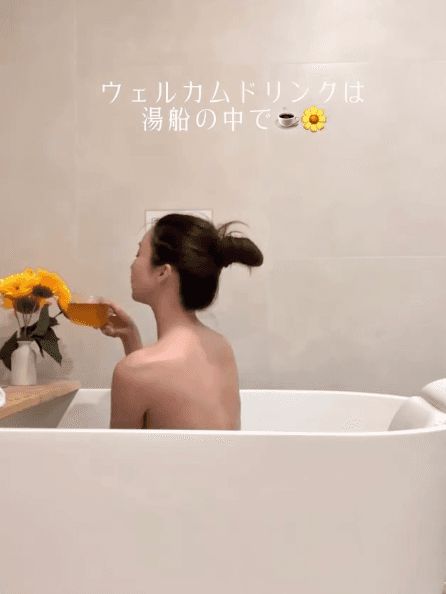
Yeoun Private Body Scrub
B2, Eonju S Tower, 561 Nonhyeon-ro, Gangnam-gu, Seoul
One minute from Eonju Station, a private body scrub that comes as one complete course.
 Book online
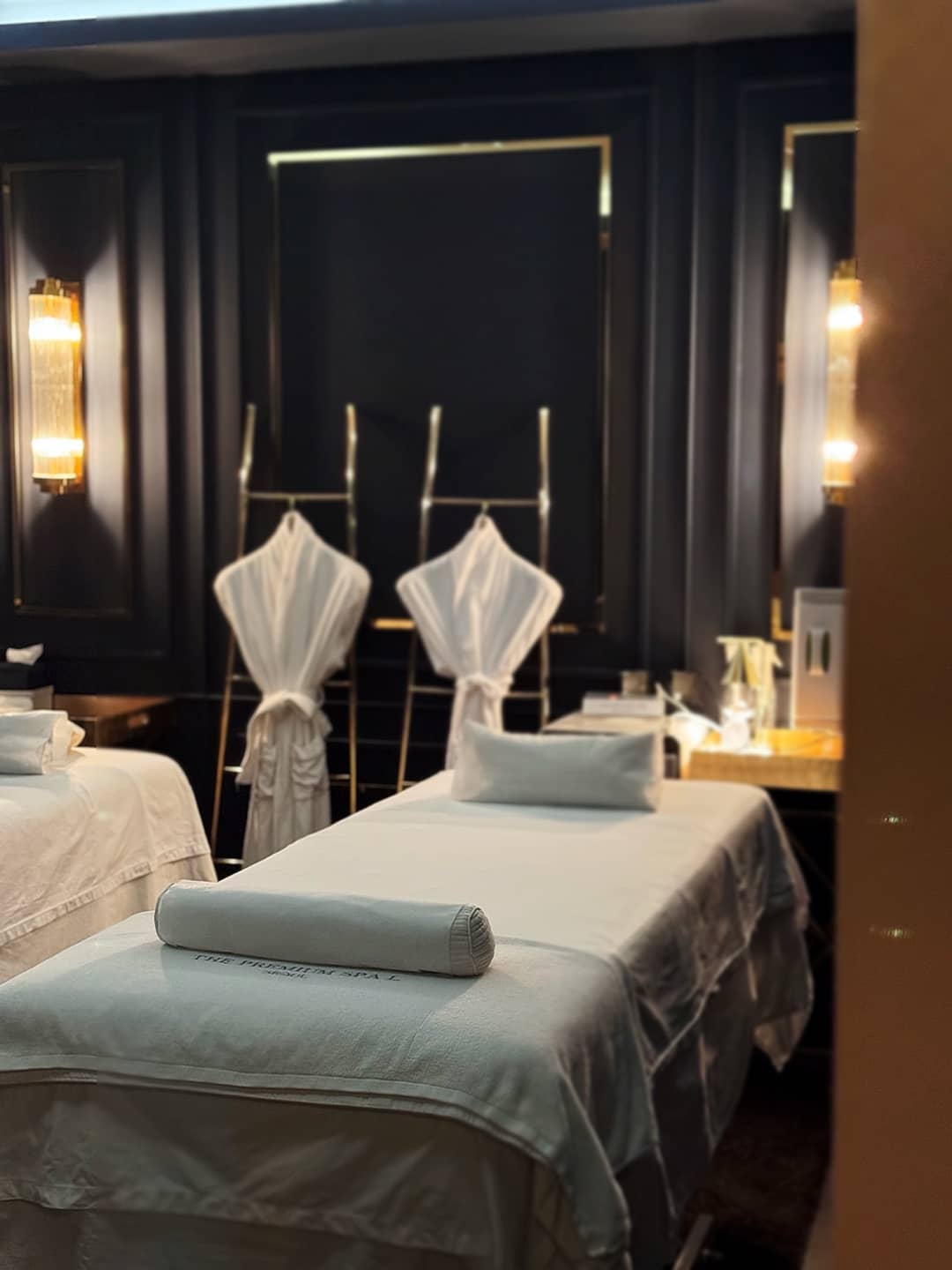
Premium Spa L Gangnam
3F HY Tower, 628 Nonhyeon-ro, Gangnam-gu, Seoul
SPA L, a premium wellness spa in Gangnam — a special place for real rest and wellbeing.
 Book online
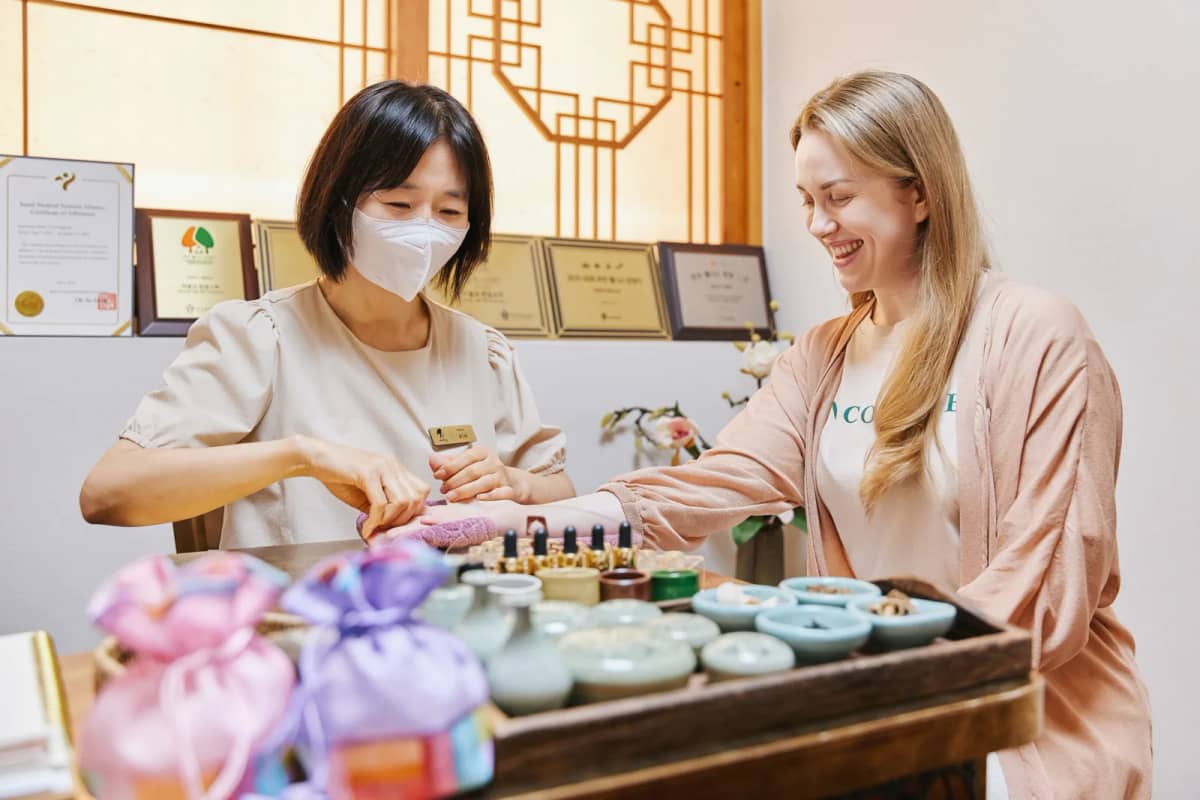
Yeoyongguk Korean Herbal Spa
2F Heungseong Bldg, 60 Seokchonhosu-ro 12-gil, Songpa-gu, Seoul
Near Sports Complex Station in Jamsil — a Korean herbal spa that reads your constitution first, then tailors the herbs, ceramics (hwasa) and hand techniques to it.
Quick Answer — Onsen Is a Bath; Jjimjilbang Is a Day You Spend
The biggest difference is the concept of time. A Japanese onsen is a quiet 1–2 hour bathing experience: soak, steam, leave. A Korean jjimjilbang is closer to an indoor resort — after bathing you change into the provided uniform and drift between themed saunas, restaurants, sleeping halls, and TV rooms for half a day or even overnight. Pricing differs too: jjimjilbang run ₩10,000–20,000 ($7–15) with unlimited time, while onsen day-bathing costs ¥500–3,000 ($3–20) — though ryokan overnight stays cost far more. Onsen culture prizes silence; jjimjilbang are social spaces where chatting and snacking are completely normal.
Nudity & Gender Rules — Where Most Travelers Get Confused
What's the same: in both countries you bathe nude — no swimsuits — and washing before entering the water is mandatory. What's different: Japanese onsen separate the entire facility by gender (mixed bathing survives only at a handful of traditional spots), while Korean jjimjilbang have a two-zone structure — the bathing area is gender-separated and nude, but the common area, where everyone wears the uniform, is shared by men, women, families, and couples together. This makes jjimjilbang about the only option where couples and families can actually hang out together. In Japan, couples wanting to soak together need to book a kashikiri (private rental bath) or a ryokan room with its own open-air bath.
Tattoo Policies — Japan Is Much Stricter
If you have tattoos, this difference can shape your whole itinerary. Many Japanese onsen officially ban tattoos (a legacy of yakuza associations), and even tolerant ones often require cover stickers. Korea rarely has written bans and enforcement is loose in practice, though large pieces can still get you turned away at some venues — draping a towel casually is the safe move. For tattooed travelers the practical play is: schedule your bathing experiences on the Korea leg, and in Japan research tattoo-friendly venues or book a private kashikiri bath in advance. See our full Korean spa tattoo policy guide for details.
The Water Itself — Natural Spring vs Facility Variety
The essence of a Japanese onsen is the water itself — natural spring water from volcanic ground, with mineral content (sulfur, iron, carbonation) that changes its benefits and even its color. Entire towns are built around it, like the steaming yubatake of Kusatsu Onsen or Dogo Onsen Honkan, often cited as Japan's oldest bath. The essence of a Korean jjimjilbang is facility variety — one building holds 5–10 themed saunas of different temperatures and materials (red clay, salt, ice, kiln), plus body-scrub service, restaurants, and sleeping halls. Seoul's Sparex Dongmyo is a classic full-package example. Interestingly, the two cultures are absorbing each other — Osaka's Solaniwa Onsen is an onsen theme park you spend all day in, jjimjilbang-style, while new-generation Tokyo venues like Karumaru Ikebukuro mirror Korea's multi-bath variety. On the Korean side, venues like Prima Spa Cheongdam adopt the hushed, premium Japanese mood.
FAQ — Korea-Japan Bathing Trip Questions, Answered
Q1. If I can only do one, which should I pick?
A. If quiet nature and water quality matter most, onsen. If you want cheap, all-day fun plus the famous body scrub, jjimjilbang. And if you're a couple or family who wants to hang out together, jjimjilbang is effectively the only answer.
Q2. Does Japan have the Korean body scrub (seshin)?
A. Not really — seshin is uniquely Korean. Some Japanese venues offer akasuri (the imported version), but the authentic experience is on the Korea side.
Q3. Do jjimjilbang ever use natural hot spring water?
A. Some do. Korea has its own onsen regions (Onyang, Sokcho, and others), and certain spas use natural spring water — but most urban jjimjilbang use heated tap water.
Q4. Do I need reservations?
A. Jjimjilbang: no — first-come, first-served. Japanese onsen: day bathing is mostly walk-in, but ryokan stays and private kashikiri baths require booking ahead.
Q5. Which is easier with kids?
A. Jjimjilbang, clearly — families rest, eat, and play together in the common area. Onsen ryokan with family baths work too, but the options are more limited.
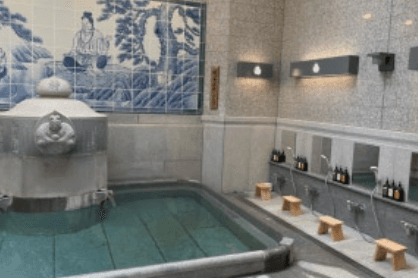
Dogo Onsen Honkan (道後温泉本館)
A 3000-year-old onsen — the building that inspired Spirited Away
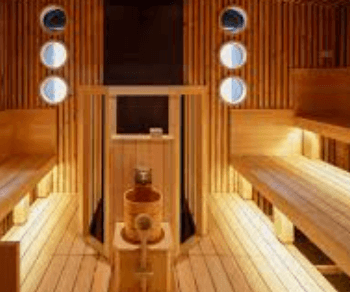
Karumaru Ikebukuro (かるまる池袋)
Men only. 4 saunas + 4 water baths. 30 seconds from Ikebukuro Station.
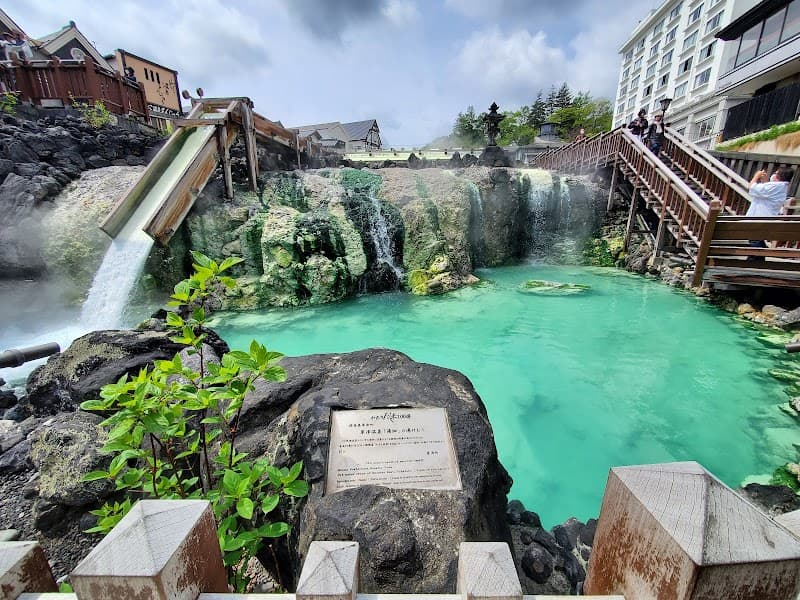
Kusatsu Onsen Yubatake (草津温泉 湯畑)
Kusatsu, one of Japan's top 3 hot springs
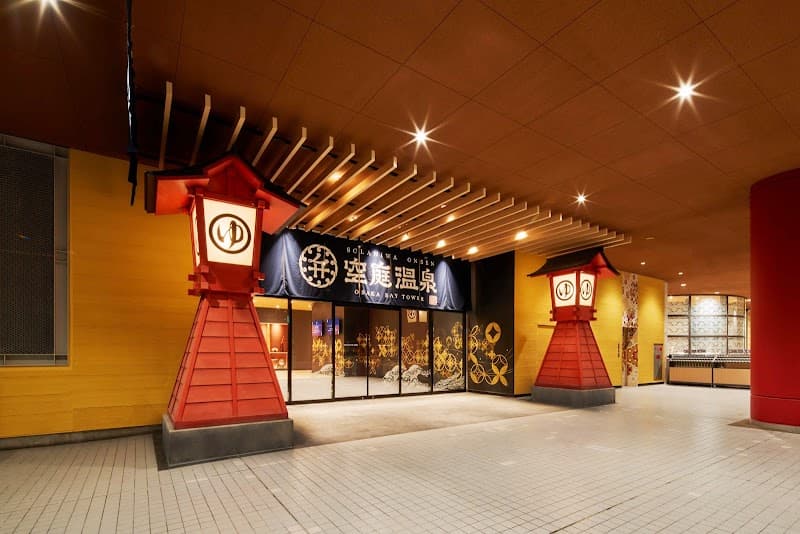
Osaka Solaniwa Onsen (空庭温泉)
Osaka downtown garden onsen
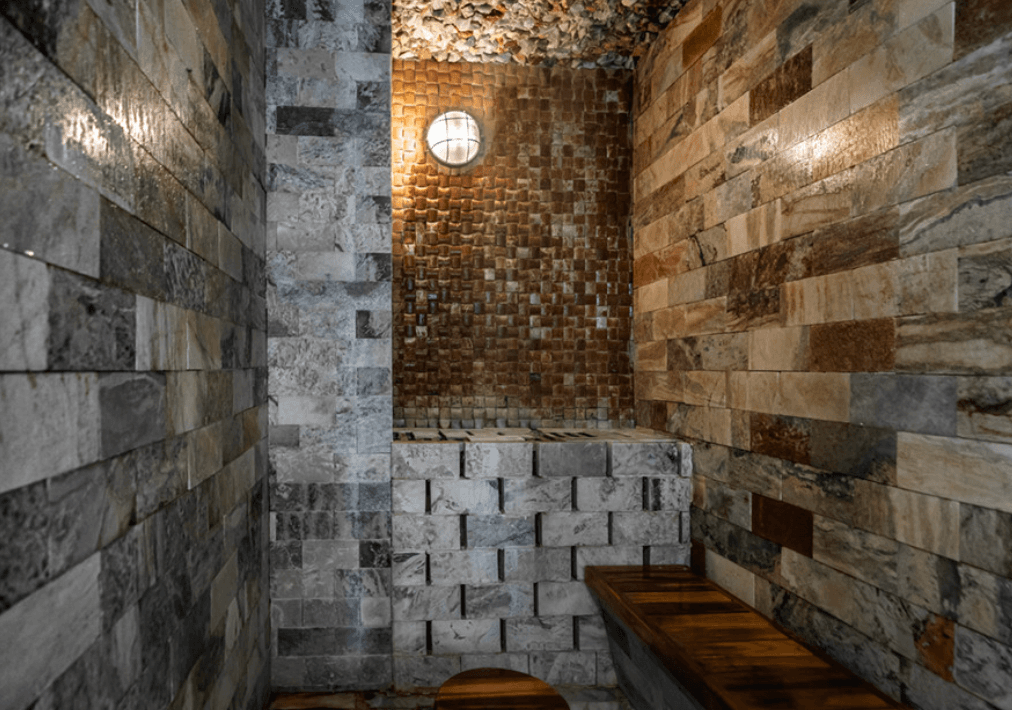
Prima Spa Cheongdam
900-pyeong premium spa in Gangnam, the definitive hotel sauna
Seoul Wellness Travel Week 2026 — Temple Meditation, Free Night Walks and How to Book (Oct 24 – Nov 4)
Seoul's city-run Wellness Travel Week runs from 24 October to 4 November around Bongeunsa Temple and Gangnam. Here is everything in one place: 5,000 KRW temple meditation sessions, free night-time temple walks you can do alone with an English audio guide, a hanji lantern exhibition, a harp busking set, and special sessions at the Seoul Wellness 100 venues — with dates, times, prices and how to book, based on the official announcements.
A One-Day Korean Wellness Course from Myeongdong — Jjimjilbang, Then a Body Scrub, Then a Head Spa (All Within Two Stops on Line 4)
A Myeongdong-based model day for anyone who wants to try a jjimjilbang, a Korean body scrub and a head spa in one go: a 24-hour jjimjilbang across from Dongdaemun DDP in the morning, a private-room scrub in Chungmuro or Myeongdong at midday, and a Myeongdong head spa to finish. Why this order, a timetable, budget, how to book and a few Korean lines, based on venues' published information and what venues told us.
Seoul's Premium Head Spas — 4 Picks from the LUWEI Editors (Cheongdam, Hapjeong, Seoul Station, Nonhyeon)
For anyone who wants a proper head spa in Seoul, we picked four of LUWEI's premium partners — Damhyewon Scalp Lounge Hapjeong, Comme Nana Cheongdam, Juno Hair Garden Seoul Station and Mosante Head Spa Gangnam — and sorted them by what you're after: serious scalp care, hair and scalp together, or something that fits your travel route. Courses, prices, locations and how to book.
Want to discover more places?