The Morning After: Why Koreans Go to the Sauna — A Practical Guide
In Korea, heading to a sauna the morning after drinking is a long-standing habit rather than a cure. Here is where the custom comes from, what a typical visit actually looks like, when to go, and the safety rules that matter most — with real prices at 24-hour venues.
LUWEI Select
LUWEI Select in this guide
 Book online
Yeoun Private Body Scrub
B2, Eonju S Tower, 561 Nonhyeon-ro, Gangnam-gu, Seoul
One minute from Eonju Station, a private body scrub that comes as one complete course.
 Book online
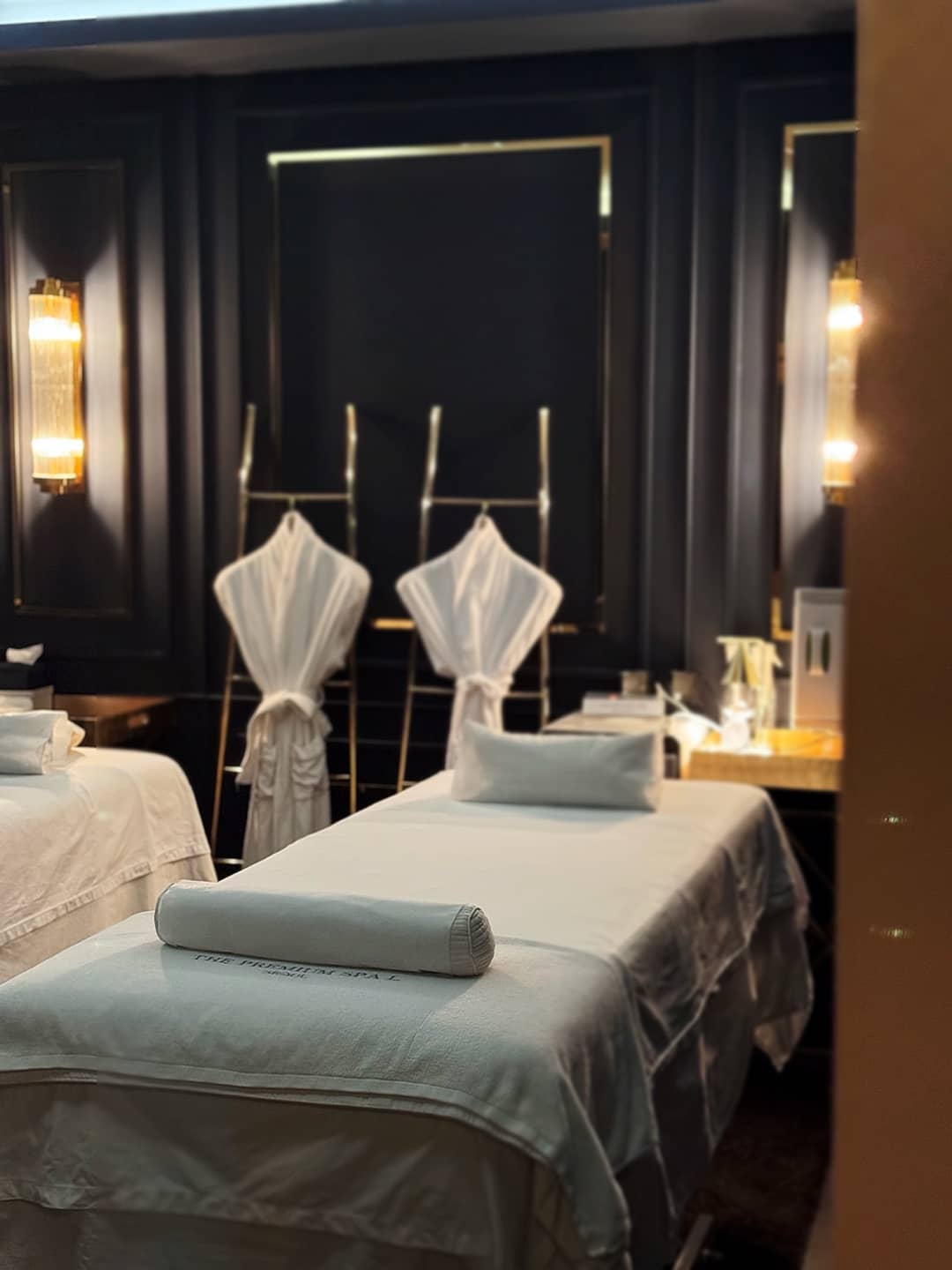
Premium Spa L Gangnam
3F HY Tower, 628 Nonhyeon-ro, Gangnam-gu, Seoul
SPA L, a premium wellness spa in Gangnam — a special place for real rest and wellbeing.
 Book online
Yeoyongguk Korean Herbal Spa
2F Heungseong Bldg, 60 Seokchonhosu-ro 12-gil, Songpa-gu, Seoul
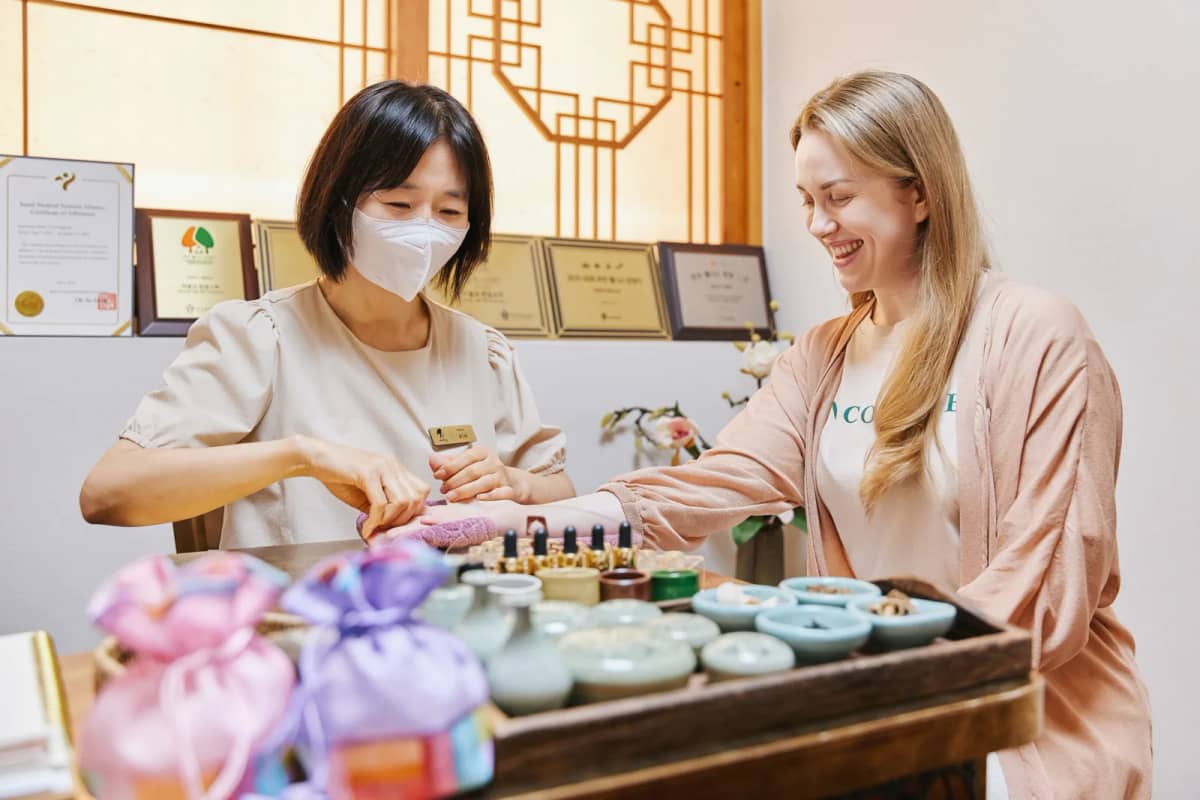
Near Sports Complex Station in Jamsil — a Korean herbal spa that reads your constitution first, then tailors the herbs, ceramics (hwasa) and hand techniques to it.
Start With the Word 'Haejang'
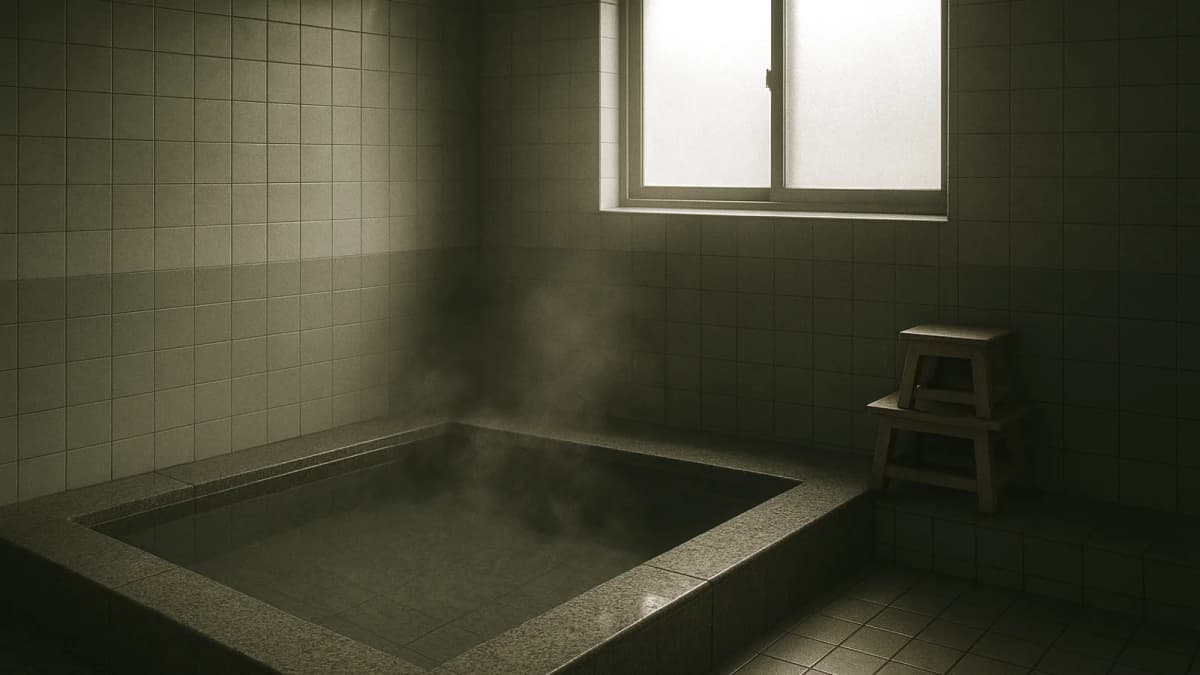
Korean has a word, haejang, for settling a stomach unsettled by the night before. It attaches to foods — haejang-guk (the soup), haejang-ramyeon — and when it attaches to a sauna you get haejang sauna. It is one reason a city with a heavy after-work drinking culture also has an unusual density of 24-hour bathhouses.
One thing should be clear up front: a sauna does not cure a hangover. Nothing is known to speed up how your body processes alcohol, and this article is not medical advice. Koreans go the morning after out of habit rather than treatment — you wash, sit in warm water, sleep for an hour or two somewhere quiet, eat a bowl of soup, and leave. What makes it interesting to a visitor is that the entire routine costs around ten dollars and is available at four in the morning.
Safety First — Three Rules That Matter
This is the section that matters. Get the order right and the rest is just a pleasant morning.
First, do not enter a bath or sauna while still intoxicated. Going into hot water or a high-heat room soon after drinking is dangerous, and many Korean venues will simply refuse entry to anyone visibly drunk. Sleep first, sober up, then go.
Second, drink water before and throughout. The water coolers inside are free at nearly every venue. A cup before entering a hot room and a cup after leaving it is a safe rhythm.
Third, short sessions, repeated. There is nothing to be gained by outlasting a hot room. Five to ten minutes, step out, cool down. If you feel dizzy or your heart is racing, leave immediately — especially if you came alone, choose leaving over enduring.
If you have a cardiovascular condition, are pregnant, or are taking medication, consult a medical professional before using high-heat facilities.
The Actual Course — Door to Door
Here is the sequence Koreans actually follow. Budget two to three hours.
1. Check in at the counter for bath plus jjimjilbang and take the wristband.
2. Undress, sit at a washing station, and wash first. This step is the one people get wrong.
3. Sit in a warm pool for about ten minutes. Do not start with the hottest one.
4. Change into the uniform and go up to the heated floors. The mid-temperature rooms — ochre, salt — are far better suited to this particular morning.
5. Sleep for an hour or two in the sleeping room. This step is really the point of the whole thing.
6. Eat something with broth, or drink a sikhye, settle up with the wristband, and leave.
You can skip the body scrub on a morning like this. On a day when you are not at full strength, it tends to be more than you want.
What Time to Go
The quietest window is a weekday between 6 and 9 in the morning. The overnight crowd has left for work and the daytime crowd has not arrived; the sleeping room is at its emptiest.
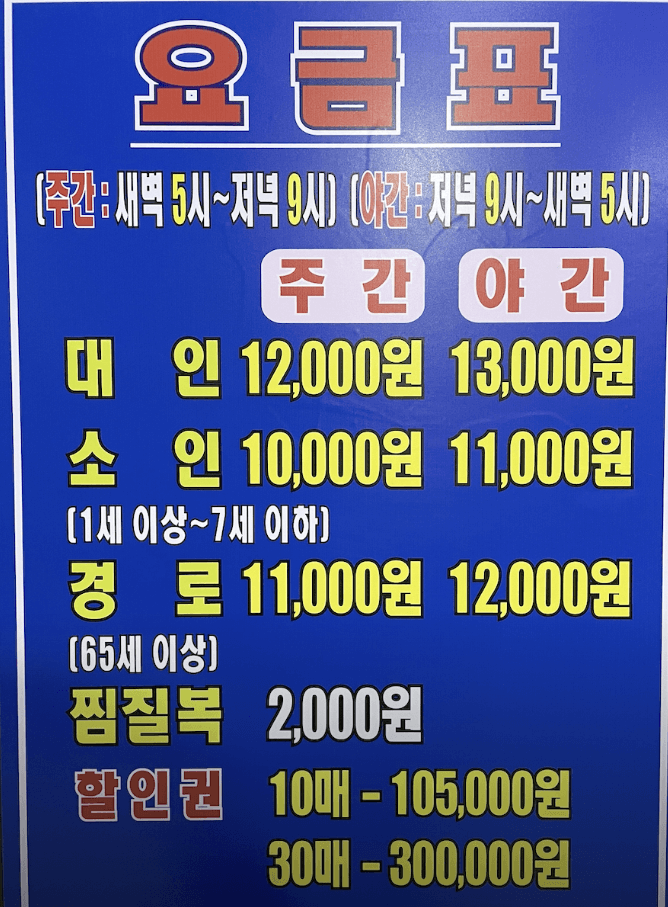
The window to avoid is Friday and Saturday after 11 PM. That is when sleeping rooms are fullest, and it is also when the late-night rate kicks in at 24-hour venues — usually 10 PM to 5 AM, adding roughly ₩1,000–3,000. The surcharge matters less than the fact that you will not sleep well.
One more thing: many 24-hour venues drain and clean the pools somewhere between 1 and 4 AM. Arrive then and the heated floors and sleeping room are open but the baths may not be. If you are planning a pre-dawn visit, it is worth checking the cleaning window first.
Where to Go — Real Prices at 24-Hour Venues
You only need three things on this particular morning: open 24 hours, a sleeping room, and a station you can actually reach.
• Sparex Dongmyo (Jongno-gu) — ₩14,000 daytime / ₩16,000 at night, uniform included, open 24 hours. Close to Dongmyo station.
• Gangbyeon Spa Land (Gwangjin-gu) — ₩13,000–17,000, open 24/7. Near Gangbyeon station, convenient for eastern Seoul.
• Mokdong Paragon Spa (Yangcheon-gu) — ₩10,000–15,000, open 24/7. The southwestern anchor.
• Club K Seoul (Gangnam-gu, Seolleung) — ₩15,000 weekdays / ₩17,000 weekends, open 24 hours. Fits the morning after a Gangnam dinner.
• Rapa Sauna (Songpa-gu, Ogeum) — ₩12,000, open 24 hours. For the Songpa and Jamsil side.
Posted prices, hours, and late-night surcharges can change, so confirm before you go.
Five Mistakes Visitors Make
1. Getting into a pool without washing first. This is the one real offence in a Korean bathhouse. Sit, wash, then enter.
2. Heading straight for the hottest room. On this particular morning, start in the mid-temperature rooms.
3. Not drinking water. The coolers are free at nearly every venue; err on the side of drinking more.
4. Walking straight out after sleeping. Going from a warm body into cold air can leave you light-headed. Change, sit for five or ten minutes, then leave.
5. Passing the twelve-hour mark. Many venues bill by the hour beyond twelve, and people usually discover this at the counter on the way out.
One last note: there is almost no conversation in a Korean sauna. Quiet is the default, which makes going alone completely unremarkable. If it is your first visit, our sauna etiquette guide and our list of Korean phrases for the sauna will make the whole thing easier.
Club K Seoul
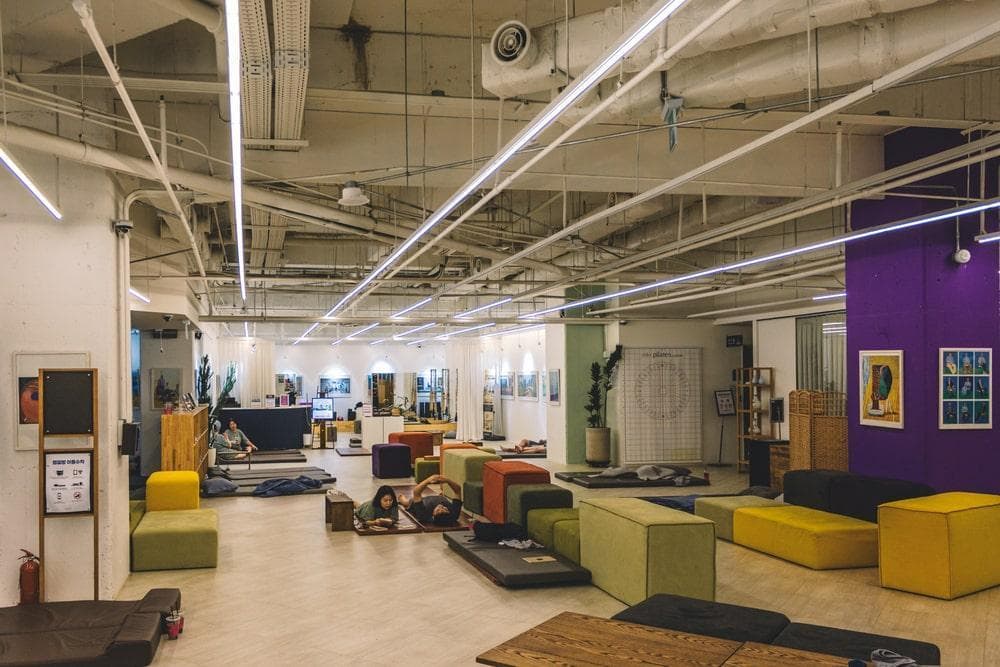
Premium mega sauna near Seolleung Station with jazz lounge and art gallery.
Gangbyeon Spa Land
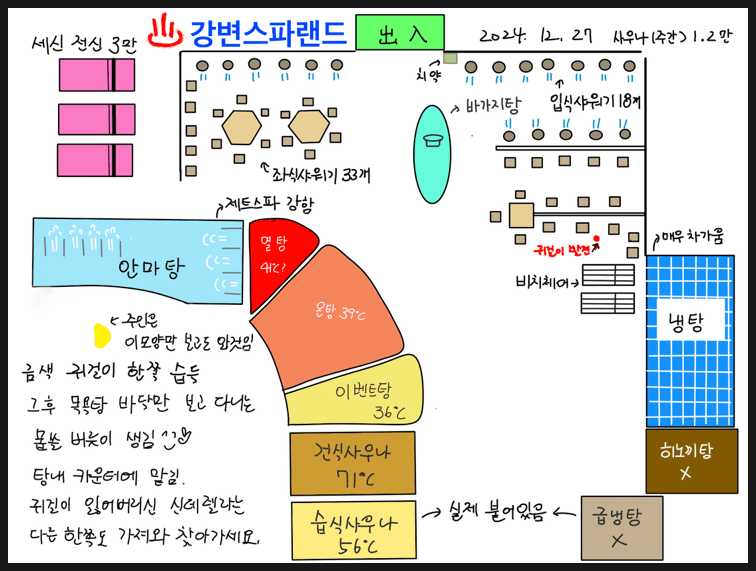
3000-pyeong mega jjimjilbang with 1200m-depth germanium sulfur mineral water and extreme cold plunge.
Mokdong Paragon Spa
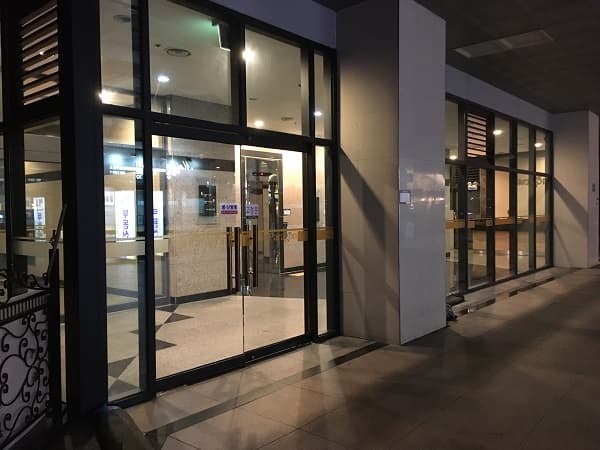
Mokdong 24-hour large jjimjilbang with fire sauna and bade pool.
Rapa Sauna
24-hour jjimjilbang near Gaerong Station. Various specialty baths and famous massage.
Sparex Dongmyo
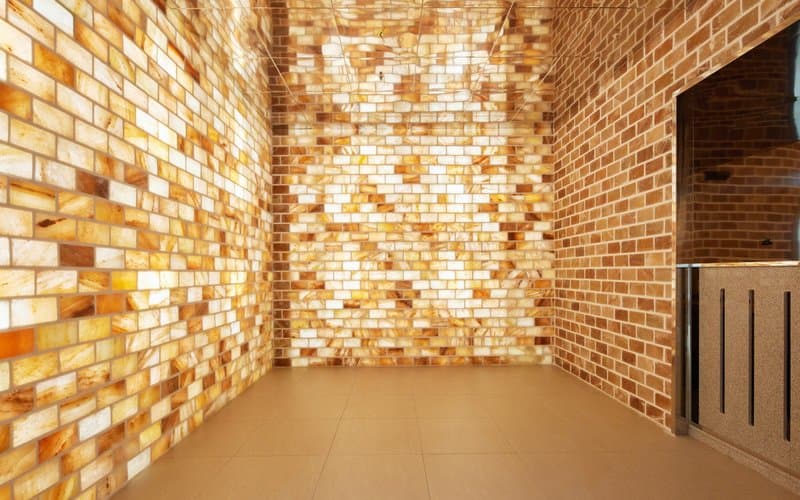
A large jjimjilbang opened in 2024, with a Himalayan salt room and a cypress forest bath.
Nervous About a Korean Body Scrub? Seven Worries — Body Hair, Shape, Periods, Tattoos — Answered by What Actually Happens (Fall 2026)
People searching "is a Korean scrub embarrassing" really want to know: fully naked? who sees what? what about body hair? This page walks through the sequence from undressing to leaving, when your position changes and where the towel goes, and answers seven common worries venue by venue. If being seen is the problem, there is a women-only private-room route too.
Private Body Scrub in Hongdae for Solo Women — 4 Women-Only Rooms Compared, and How to Book (Fall 2026)
Hongdae has one of the densest clusters of women-only private scrub rooms in Seoul. Prices and hours for SEIAN, Yeonnam Scrub, DAMDA and THE SEOL:HA, how to book by Instagram DM, what a solo visit actually looks like, and the usual worries — periods, tipping, what to bring.
Korean Body Scrub Prices in Seoul (2026) — What You Actually Pay
What a Korean body scrub actually costs in Seoul — the two price tiers, real menu prices from specific venues, and how booking and payment work.
Want to discover more places?