Can You Go to a Korean Jjimjilbang With Tattoos? No Law, Only House Rules — How to Read the Door Sign, Why Swimwear Zones and Hotel Pools Are Stricter, and Why a Fresh Tattoo Should Wait (Fall 2026)
Many travellers ask whether Korea has the "no tattoos" rule that Japanese onsen are known for. Short answer: there is no Korean law that bars tattooed guests from bathhouses or jjimjilbangs, only each venue's own house rules. This page splits the question by type of place — neighbourhood bathhouse, large jjimjilbang, spa with a swimwear zone, hotel pool — shows which are stricter, the Korean wording on door signs, one sentence to ask by phone, how to cover up, and why a tattoo you just got in Korea should stay out of hot water, saunas and scrubs. LUWEI does not guarantee entry at any venue; this is a summary of public information and news reports.

Short answer — no law forbids it. Small tattoos are rarely an issue; large, very visible ones depend on the venue's call
Korean bathhouses and jjimjilbangs never built a "no tattoos" custom the way Japanese onsen did, and no law bars tattooed guests. Seeing someone with tattoos in a neighbourhood bathhouse or a big jjimjilbang is not unusual.
But "no law" is not the same as "allowed everywhere". A business can restrict entry through its own house rules, and since 2024 Korean media have covered "no-tattoo zones" at gyms, pools and bathhouses several times. In practice:
· Small tattoos on the wrist, ankle or shoulder — almost never an issue.
· A full sleeve or full back piece — usually fine, but some venues or staff may turn you away at the door, and traditional work that reads as "intimidating" is judged more strictly.
· Swimwear zones and hotel pools — the strictest, because some have written rules (see below).
LUWEI has not verified or guaranteed any venue's tattoo policy. If you want certainty, one sentence before you go is the fastest route.
How strict, by type of place — neighbourhood bathhouse < big jjimjilbang < spa with a swimwear zone < hotel pool and gym
· Neighbourhood bathhouse (mogyoktang) — mostly regulars, so rules tend to be loose. Places like Hanam Sauna near Seoul Station even offer scrubs, but the rule is the owner's call, so read the sign at the door first.
· Big jjimjilbang — venues with many foreign guests, such as SPAREX Goodmorning City and SPAREX Dongmyo in Dongdaemun and The Park Spaland in Seonyudo: the baths are nude, the shared hall is in the venue's T-shirt and shorts. Arm and leg tattoos will show in the hall, and that is rarely a problem there. Shinsegae Spa Land at Centum City, Busan has Japanese blog posts saying "I got in with tattoos", but that is personal experience, not policy.
· Spas and water parks with a swimwear zone — places like Aquafield Hanam, Park Habio Water Kingdom and Paradise City Cimer have mixed pools or aqua zones worn with swimwear and many families, so rules can be stricter. A long-sleeve rash guard solves most of it.
· Hotel pools and gyms — the most written rules. According to press reports, Conrad Seoul says guests with tattoos "excessive enough to cause anxiety or discomfort to others" may be restricted from the gym and pool, and Fairmont Ambassador Seoul restricts pool entry for tattoos of 15 cm or more but allows cover-up swimwear or patches. Hotel treatment rooms are one-to-one and usually not an issue, but if you plan to use the pool, ask when you book.
Reading the sign at the door — two Korean phrases are enough
Venues that restrict usually post a notice at the counter or near the shoe lockers. Two phrases matter:
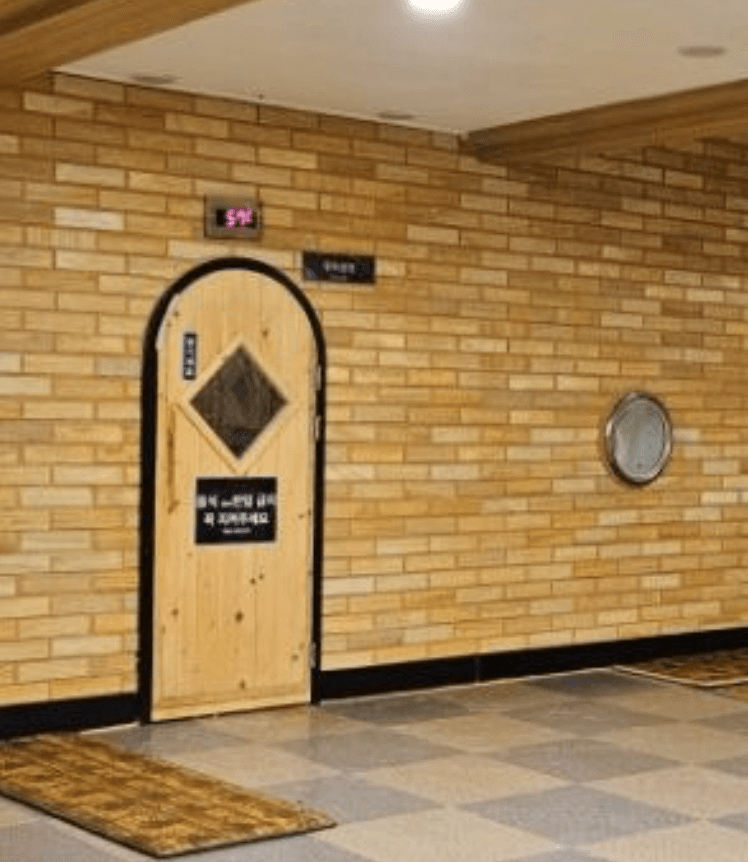
· 문신 출입 금지 (munsin churip geumji) / 문신 있는 분 입장 불가 — "no entry with tattoos", regardless of size. Going elsewhere is faster.
· 과도한 문신 노출 시 입장 제한 / 혐오감을 주는 문신 — "entry restricted for excessive (or offensive) tattoos". What counts as excessive is the staff's call: small pieces are usually fine, full sleeves or back pieces may be refused.
No sign usually means no restriction, or staff discretion. If unsure, show your arm at the counter and ask before you buy a ticket. If you are stopped in the changing room after paying, refunds follow the venue's rules.
One sentence to ask, and how to cover up — rash guard, patches, or a one-person private sauna
By phone or Instagram DM, this is all you need:
· 문신이 있는데 입장 가능한가요? — "I have a tattoo; can I come in?" (add 작은 문신이에요 "it's small" or 팔 전체예요 "it covers my whole arm")
Including the size gets you a precise answer. If calling in Korean is hard, send LUWEI concierge the venue name; LUWEI asks in Korean and replies in Japanese, English or Chinese (free; LUWEI only relays, the venue decides).
Covering up depends on the zone:
· Baths — you are nude, so there is no real way to cover. If a large piece bothers you, choose a quiet weekday afternoon.
· Jjimjilbang hall — the short-sleeve outfit covers the upper arm; some venues sell long-sleeve outfits.
· Swimwear zones and hotel pools — a rash guard or tattoo cover patches work best. Patches peel in heat and water, so bring spares.
Or skip other guests altogether. Seoul now has one-person private saunas (for example Sisu House in Sinsa) where you have a room to yourself, so tattoos are simply not an issue. They cost more than a big jjimjilbang but are the most relaxed option.
Just got tattooed in Korea? Skip baths, saunas and scrubs until it heals — usually 2–4 weeks
Plenty of itineraries combine a Seoul tattoo with a jjimjilbang later in the same trip. Entry rules aside, a new tattoo is an open wound: avoid long soaks, hot saunas and kilns, and being scrubbed with an Italy towel, all of which risk infection, ink blur and scabs coming off early.
The usual guidance is 2–4 weeks, but it varies with size, placement and skin, so follow your studio's aftercare instructions. If you want both on one trip, the simplest fix is the order: jjimjilbang and scrub first, tattoo on the last day.
For an older, healed tattoo, just point at it and tell the scrub attendant to go gently there. Refusing a scrub because of a tattoo is rare.
Summary — where to go
· Small tattoo — don't worry about it; go wherever you like: SPAREX in Dongdaemun (Goodmorning City or Dongmyo) or The Park Spaland in Seonyudo. (Siloam at Seoul Station closed in August 2026.)
· Large tattoo, baths only — check the door sign and ask at the counter before buying a ticket. If you are nervous, LUWEI can ask in advance.
· Swimwear zones (Aquafield, Park Habio, Cimer) or a hotel pool — bring a rash guard; for hotels, ask when booking.
· You would rather not be seen — a one-person private sauna.
· Fresh tattoo — this trip, choose treatments without soaking, such as a head spa or massage.
If it is your first jjimjilbang, continue to the jjimjilbang / bathhouse / sauna difference guide; arriving late at night, see the Myeongdong late-night jjimjilbang guide.
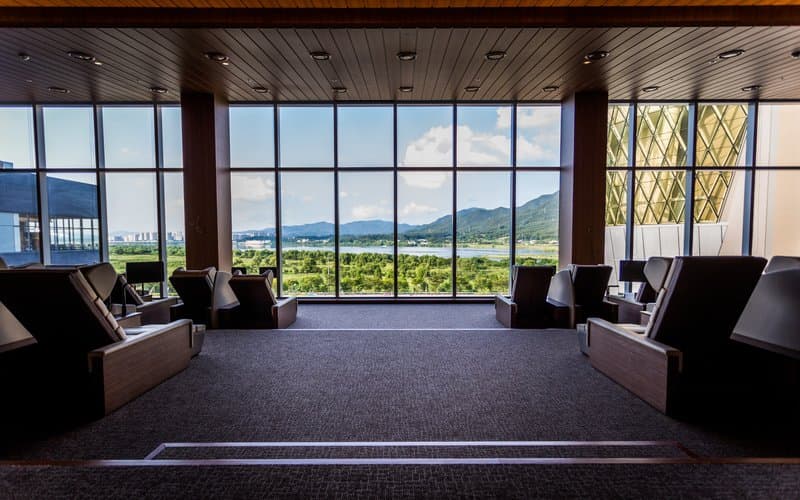
Aquafield Hanam
Premium jjimjilbang inside Starfield Hanam. Outdoor bath and Himalayan salt room.
The Vell Spa at Conrad Seoul
Luxury urban spa with Han River views in Yeouido.
Hanam Sauna
A neighbourhood bathhouse in Huam-dong, a 12-minute walk from Seoul Station Exit 12, refitted in 2025 with cypress saunas. A scrubber works on both the men's and women's side.
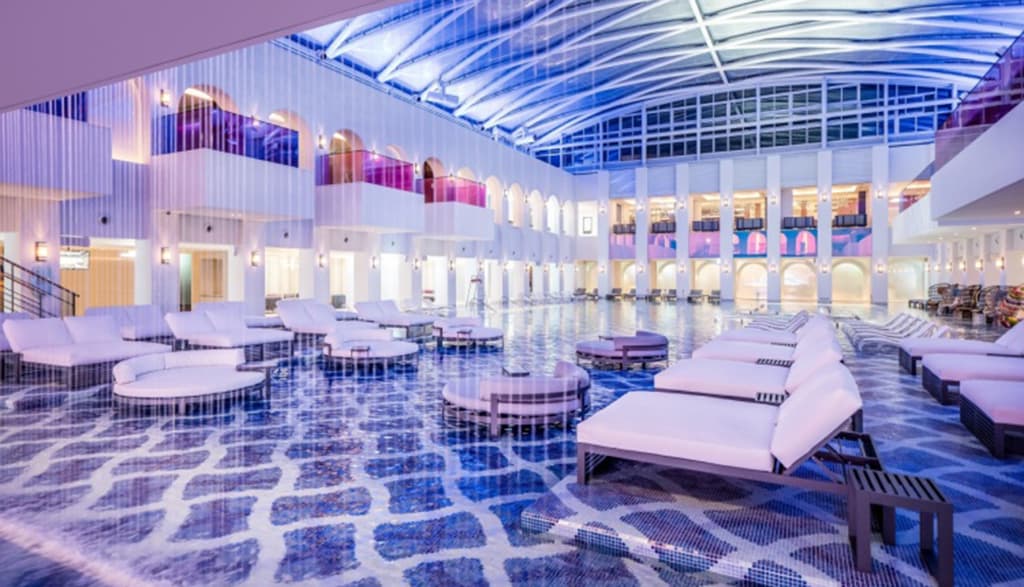
Paradise City Cimer
Mega spa near Incheon Airport
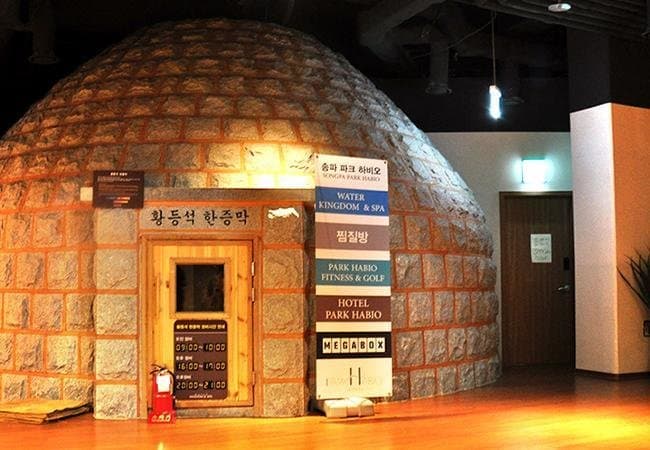
Park Habio Water Kingdom & Spa
A large-scale water park and sauna complex in Songpa. Hot, warm, and cold baths with dry and wet saunas — great for families.
Sisu House
Private Finnish ritual sauna in Sinsa-dong, Gangnam
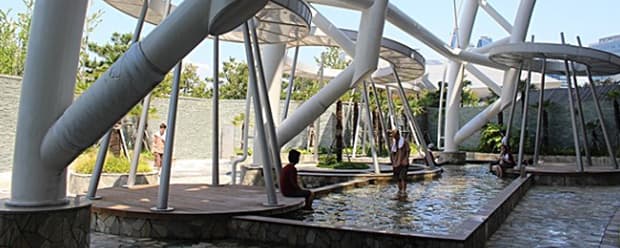
Spa Land Centum City
Jjimjilbang in Centum City, Haeundae. 18 spring-fed pools and 13 themed heat rooms.
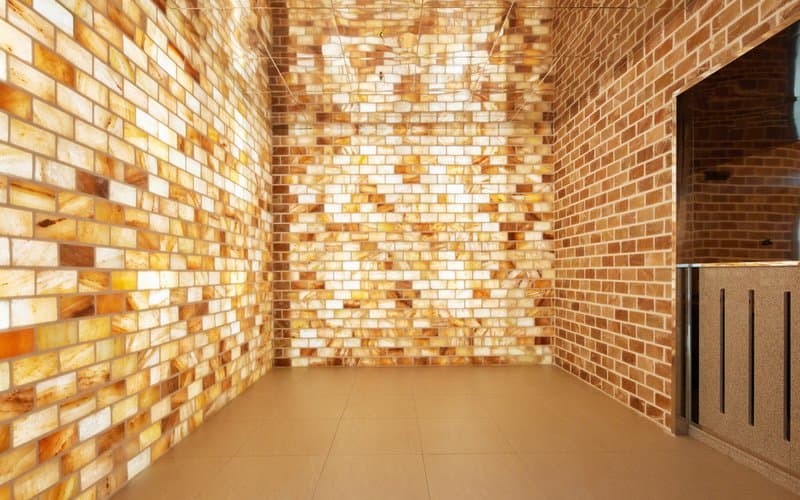
Sparex Dongmyo
Newly opened in 2024, a mega jjimjilbang featuring a Himalayan salt room and cypress forest bath.
Sparex Good Morning City (Dongdaemun DDP)
A 24-hour jjimjilbang right in front of DDP, 23 m from Exit 13 of Dongdaemun History & Culture Park Station, with hanok-style timber interiors and a luggage-storage option.
The Park Spa Land
Near Yeongdeungpo District Office, with a wide range of baths
This page contains affiliate links. If you book or buy through them, LUWEI may earn a commission — at no extra cost to you.
Korean Spa Hours Explained — Night Rates, Time Limits & Closing Days (2026)
In Korea, what you pay depends on when you walk in, and "open 24 hours" rarely means you can stay 24 hours. Here are the night-rate cut-offs, the hourly overage charges, the pre-dawn hours when the baths are drained, and the weekday closures that catch visitors out.
Is a Korean Sauna Safe for a Woman Alone? 12 Worries Checked Venue by Venue (Fall 2026)
Plenty of posts answer "is a Korean jjimjilbang okay for a woman alone" with "sure". None check what actually worries people. We took 12 concerns — locker-room layout, locks, overnight gender separation, scrubber gender, tattoos, periods, passport storage — to three women-only venues and four 24-hour ones.
Seoul Public Bathhouse Guide — Not the Jjimjilbang, the Neighbourhood Mokyoktang: 9,000–15,000 Won, No Booking, Where the Scrubber Is (Fall 2026)
Every guide for foreigners is about the big jjimjilbang. What Koreans actually go to is the neighbourhood mokyoktang — tubs and a sauna, 9,000–15,000 won, walk in without booking, and a scrubber on duty. Listed prices, hours, closing days and scrub fees for 13 bathhouses open now around Seoul Station, Gwanghwamun, Hongdae, Seongsu and Gangnam, plus the order of things from the door to the exit.
Experiences worth pairing
See all experiences →
.jpg&w=1200&q=75&dpl=dpl_HsR78AmELc3hVrziL2ifDfs37ngZ)
Want to discover more places?